

Ankle Arthritis
Ankle arthritis is ‘wear and tear’ which leads to loss of the cartilage in the joint between the tibia, fibula and talus (ankle joint). Cartilage is the lining on the bone ends which allows the joint to move smoothly and pain free. When this cartilage is damaged or lost the joint can become stiff and painful.
What causes it?
Osteoathritis may occur spontaneously with no history of injury. Sometimes there is an injury or accident which can be recalled or multiple repeated injuries due to instability in the ankle joint.
There are other types of arthritis such as rheumatoid arthritis which can cause problems with multiple joints and the ankle can be affected.
What are the symptoms?
The predominant symptoms are pain and stiffness. Crunching or clicking might be felt in the joint and there may be associated swelling. As the symptoms progress the pain will become more constant affecting more and more activities and you may get pain at night.
How is it diagnosed?
A thorough history and examination will be performed and plain radiographs will be organised. Sometimes a CT or MRI scan may be necessary to assess the degree of damage and check the surrounding joints.
What are the treatments?
Conservative treatments include activity modification, pain killing tablets and bracing to support the joint. Occasionally targeted injections may help. If these measures fail and the pain interferes with daily activities you may have to consider surgery.
What operations are available?
After appropriate investigations and a joint decision making process, ankle fusion or ankle replacement may be recommended. Both operations are reliable at relieving pain and improving function.
We have been performing ankle replacements for 15 years. The advantage of a replacement is that movement is maintained and this can help to protect other nearby joints from increased wear and tear. The recovery from an ankle replacement is also slightly quicker and easier than recovery after a fusion.
As with all operations there are risks and complications such as infection, nerve damage, non-union (bones not healing), prosthesis loosening / wear and blood clots (DVT/PE).
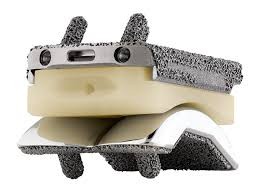
We use the Stryker Infinity Total Ankle Replacement which is currently the most popular ankle replacement in the UK and the US.
More Conditions


